At Nicor Gas, the safety of our customers and communities is always our highest priority. Natural gas is a safe, reliable energy source when used properly, but working on gas appliances or equipment yourself can put you and others at serious risk.
Natural Gas Appliance & Leak Safety
Following these guidelines helps protect you, your family and your community, and ensures your natural gas appliances continue to operate safely and efficiently.
- Never attempt to install, repair or move a natural gas appliance or meter on your own.
- Always use a qualified contractor or licensed professional for appliance installation, maintenance or repair.
- Keep the area around your natural gas meter and appliances clear of debris and accessible at all times.
- Do not try to locate or stop a leak yourself, and avoid using electrical devices, phones or open flames near a suspected leak.
- If you notice damage, smell natural gas or hear a hissing sound, leave the area immediately and call 911 and Nicor Gas at 888.Nicor4U 888.642.6748 from a safe location.





Furnace & Venting Safety
Important information about furnaces according
to the Federal Emergency Management Agency:
- It’s important that you have your furnace inspected by a qualified specialist according to manufacturer guidelines to ensure that it is in good working condition. Do not attempt repairs yourself unless you are qualified.
- Be sure all furnace controls and emergency shutoffs are in proper working condition.
- Keep trash and other combustible material away from your heating and water heating systems.
- Keep natural gas vents unobstructed and free of debris. Some direct-vent and high-efficiency appliances have direct side wall outdoor vents and air intakes that could become obstructed during heavy snowfalls.
- Keep sidewall vents clear of snow and ice. These vents bring in fresh air and safely release exhaust from heating and water-heating equipment. Blocked vents can disrupt airflow and allow carbon monoxide-containing exhaust to enter the home.
Water Heater Safety
The U.S. Consumer Product Safety Commission recommends setting water heaters to 120°F (49°C) to help reduce the risk of scalding. Always test the water before bathing children or infants.
Consumers should consider lowering the thermostat to the lowest settings that will satisfy hot water needs for all clothing and dish washing machines.
How to test your water temperature:
- Run the hot water for five minutes.
- Put a reliable thermometer that registers at least 150 degrees under the water stream.
- If your water is more than 125 degrees, lower the thermostat on your water heater. If you can't find the temperature controls or have any questions, call a qualified contractor or your landlord for help.


Natural Gas Detector Safety
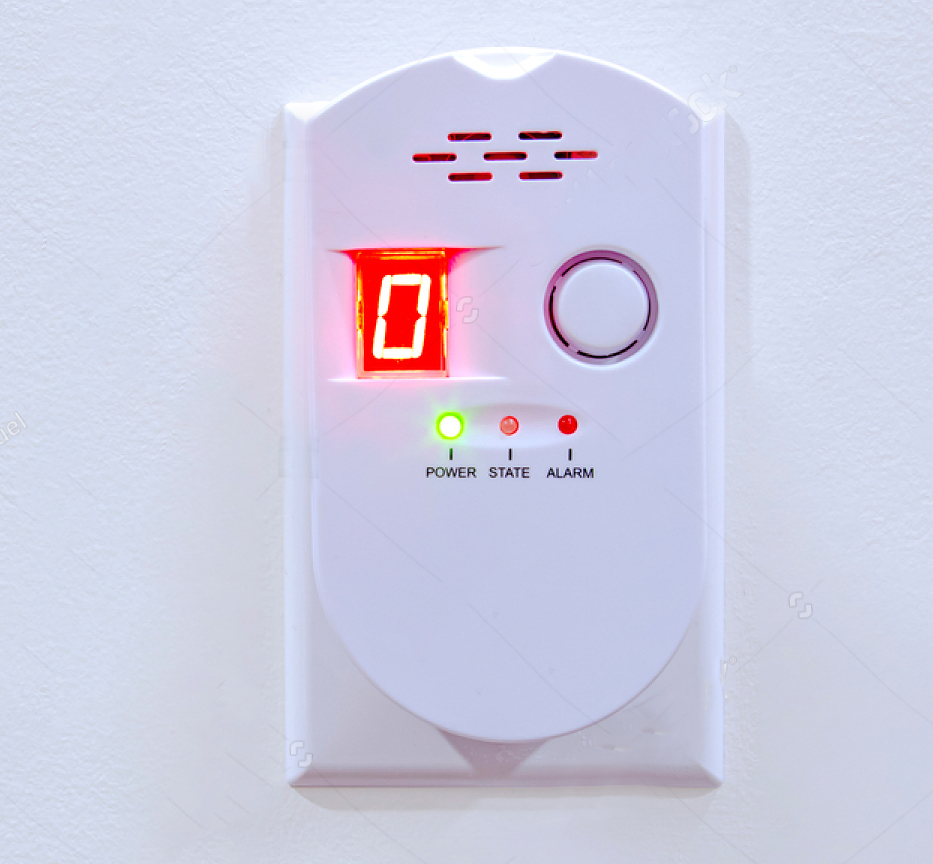
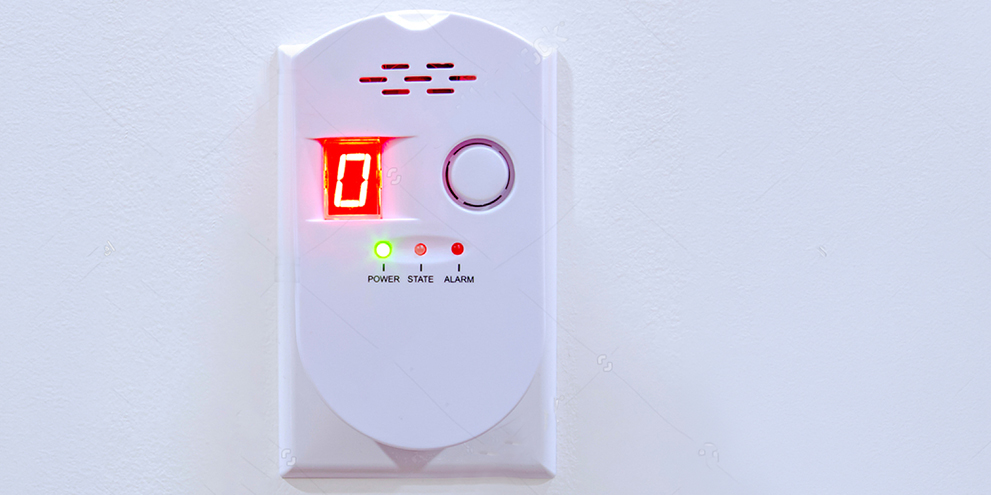
Natural gas detectors may be installed by homeowners for an additional safeguard to detect leaks. The natural gas detector measures the concentration of methane in the air and sounds an alarm to alert you before dangerous levels are reached.
The methane detector works by pulling in air from the surroundings and, if it detects a dangerous level of natural gas in your home its light will flash and/or it will emit a loud noise. Please refer to your user’s manual for the detector for specific natural gas alarm characteristics. It’s also important to test the device regularly. Please refer to your user’s manual for testing intervals and the procedures that explain the light and sound patterns to ensure the detector and alarm functions are working properly.
If the natural gas detector alarm sounds, respond immediately!
Assume there’s a natural gas leak. Leave the area quickly, taking everyone with you.
Follow the guidelines for when you smell gas:
DO NOT use the telephone or any electrical appliances including light switches, garage door openers, doorbells, radios, TVs or cell phones. A spark from any of these sources could ignite the gas, causing a fire or explosion.
DO NOT disconnect the gas detector battery to silence the alarm. A spark could cause an explosion.
DO NOT assume someone else will report the leak.
DO NOT go back inside your home or building until company or emergency personnel say it is safe to return.
Additional Safety Topics
Explore additional guidance on furnace maintenance, heating-system warning signs, supplemental heating, generators and outdoor grills. These practical tips can help reduce hazards, protect your equipment and keep your household safe.
Heating System Warning Signs
- Gas flames are pale yellow or wavy
- Gas appliances are not vented to the outdoors
- Rust, corrosion or excessive dust on gas appliances
- Excessively dirty, clogged or missing furnace air filters
- Gas appliance valves are missing or not properly installed
- Blocked, broken, rusted, disconnected, corroded or unsealed appliance vent piping
- Soot near burners or appliance venting
- Venting not approved by the appliance manufacturer or not venting to the proper place outdoors
- Evidence of discoloration at the appliance burner, burner access door or vent area
- Gas appliances installed in a garage less than 18 inches above the garage floor
- Gas appliances that are missing a fire door
Supplemental Heating Safety
- Never use a gas range as a space heater. Doing so can cause carbon monoxide to build up.
- Place space heaters on a level surface and keep them away from curtains and other flammable objects.
- If you use a natural gas or kerosene space heater, ensure it is properly and safely vented to the outside.
Outdoor Grills
July is the peak month for grilling fires, according to the National Fire Protection Association. A stationery natural gas grill can help avoid the safety worries associated with portable grills. Customers are encouraged to take precautions when grilling this summer:
- Use a certified natural gas contractor to ensure your natural gas line and grill connection are installed properly and according to building codes. To locate a certified contractor, use our
online tool . - All grills need proper venting and distancing from flammable objects. Position your grill at least 10 feet from flammable objects such as siding, eaves, ceilings, porch rails, overhanging branches or decorative objects.
- When purchasing a grill, be sure to shop for the right type, since stationary natural gas and portable propane grills have different connection equipment.
- Keep children and pets at least three feet away from the grill area.
- Keep your grill clean, removing grease buildup from the grills and the trays below.
- Make sure your grill lid is open before lighting it.
- Never leave a hot grill unattended, especially after you’ve finished cooking and you’ve turned up the grill to burn off any remnants.
- When a grill is not being used, turn off all the burner control knobs including the side burner, then if using a natural gas grill, turn off the shut-off valve on your natural gas supply line.
Furnace Maintenance
It's important to check your heating appliances to ensure they're working safely. Clean or replace air filters regularly. Keep the space around the furnace clean and clear, and check to see that the furnace or boiler is free of rust, dust or corrosion. It's also imperative to ensure that furnace panels and grills are in place and that the fan compartment door is closed when the furnace is on - leaving these doors open can cause carbon monoxide to build up.
Generators
The safest way to supply backup power to your property during an electrical outage is with a natural gas standby generator. Different from portable generators that run on gasoline, natural gas standby or stationary generators operate automatically and can run indefinitely. To make sure your natural gas generator is ready for storm season:
Have your standby generator installed by a qualified contractor to ensure all building codes are followed. To locate a contractor, use our Find A Contractor tool.
Work with your contractor or dealer to size the standby generator correctly to avoid overloads or inadequate power supply. Most dealers have online calculators on their websites.
Read through the owner’s manual to be familiar with your product’s warnings and directions.
Stationary standby generators have weatherproof housing to operate safely outdoors, while portable generators can pose risks of electric shock or fire, especially when operated in wet conditions.
Make sure your hands are dry before touching a generator. Keep children and pets away from generators. NEVER try to power the house wiring by plugging a portable generator into a wall outlet, a practice known as “backfeeding.”
Generators should run only outdoors in an area with plenty of ventilation, away from windows, doors and vents, never inside a home or garage.
Appliance Connectors & Furnace Filters
Appliance Connectors
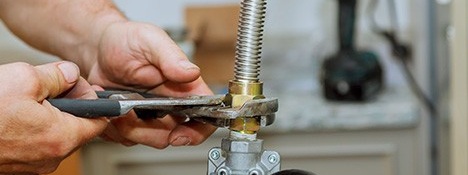
Appliance connectors play an important role in helping natural gas appliances operate safely. Check connectors for visible signs of wear, corrosion or damage, and have any concerns evaluated by a qualified professional.
Finding the Right Filter
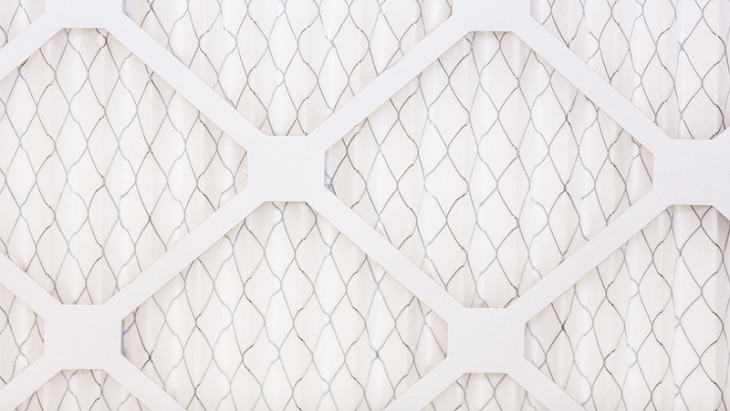
Furnace filters may be easy to overlook, but they play an important role in protecting your heating system and maintaining indoor air quality. They help keep dust and debris away from the blower fan and compressor. Replacing filters regularly can also support proper airflow and help your furnace operate efficiently. Always check your equipment instructions for the recommended filter type and replacement schedule.
Explore the filter guides below to learn more about filter sizes, types, benefits and price points.
Filter Size Guide
Most furnace filters have their size printed on them, so you can check your existing filter for the correct measurements. If you aren’t able to find the size, check the owner’s manual or website. You can also measure the current filter being used as well as the width, height and depth of the furnace filter slot. Filters normally have two sets of measurements – the “Actual size,” which include the true dimensions of the filter, and the “Nominal size”, which is the actual size rounded up to the next whole number. For example, a filter with an actual size of 19.5” x 19.5” x .75” has a nominal size of 20” x 20” x 1”. Two filters might that have the same nominal size might not necessarily have the same actual size, making it important to check the size of your insert. Take your measurements with you to ensure you’re getting the one that will best fit the available space.
Filter Types and Benefits
Filters have different benefits based on the material that they’re made of and will have a major impact on air quality in your home. Considerations for filter materials might include how long you plan on living in your home or apartment, as well as if you or any of your family members have any medical concerns like allergies or asthma. Here’s a rundown of filter materials and their capabilities.
- Disposable fiberglass – Prevents larger particles like dust and lint from clogging the system. These are the least expensive option, but can’t remove bacteria, mold, pollen or smaller particles.
- Disposable pleated – Removes particles like spores and mites. These are the most common filters as they allow for better air flow while filtering out common allergens and fine dust in the air. If you have asthma or allergies, this is an inexpensive but effective option.
- Permanent or disposable electrostatic – Attracts small particles; these filters can be washed to extend lifespan. However, while these filters are good for allergy and asthma sufferers, they are much more expensive to replace than other options.
- High-efficiency pleated – Removes the smallest particles. High-efficiency filters are generally designed for major health needs and are often used in commercial buildings like hospitals. However, they can restrict your airflow if your ventilation system isn’t designed to support these types of filters. Check with the manufacturer to make sure that your family stays healthy and comfortable.
Filter Price Points
Filters with a higher minimum efficiency reporting value (MERV) rating will render better air quality, but they cost more to regularly replace. MERV was developed on a scale from 1 to 16 to determine the efficiency of air filters, meaning that the higher the MERV rating, the fewer dust particles and contaminants will pass through the filter. If anyone in your home has special health needs, the investment might be necessary. Consider pets, indoor pollutants and your budget when you’re picking the right filter for you and your family. Regardless of what you choose, make sure to change and clean your filter as recommended to remain as comfortable as possible and help your furnace do its job effectively.
Find a Contractor
Preferred program members can use the Find a Contractor tool to contact one of our Qualified Gas Contractors for appliance repairs and maintenance.