Clogged sewer line? Know the hidden dangers before clearing.
When dealing with a sewer blockage, we recommend hiring a professional drain cleaning or sewer contractor. It’s also important to be aware of the potential for a cross bore. A cross bore occurs when a natural gas pipeline is inadvertently installed through a sewer line.
While a natural gas cross bore is not hazardous immediately, cleaning sewers with mechanical devices can damage intersecting natural gas lines, release natural gas and cause unsafe conditions. Special attention is required when cleaning clogged sewer lines if natural gas lines are present.

Sewer Line Safety is as Easy as A-C-T
ASSUME
all sewer obstructions outside a home or building will involve a cross bore.
CONTACT 811
to have your utility lines marked if the sewer line work will require excavation. If the property has a private sewer line, contact the utility directly to mark the lines and help resolve the issue.
TAKE
every safety precaution. Make sure an in-line or CCTV camera is used to assess the blockage. Use minimally invasive tools to clear the clog.
If you suspect a cross bore is present, stop working immediately and call Atlanta Gas Light at 877.427.4321 to report a gas emergency. Be sure to let the customer service representative know that you have discovered a cross bore. Atlanta Gas Light will dispatch resources to remove the cross bore safely.
Contact our Natural Gas Advantage Dealers to find a qualified professional near you that can perform this work safely. Click here or contact our Energy Connections Center at 800.599.3770.
Smell Gas? Act Fast!
During sewer line work or any excavation activity on your property, you need to know the signs of a natural gas leak:

LOOK for blowing dirt, discolored vegetation or continued bubbling in standing water.

LISTEN for a hissing or roaring noise near a natural gas appliance or line.

SMELL for the rotten-egg odor associated with natural gas. Natural gas is colorless and odorless. We add an odorant called mercaptan for easy detection that gives it that distinctive odor. You should act any time you detect even a small amount of this odor in the air.
If a natural gas line is damaged accidentally or you smell natural gas:

LEAVE the premises immediately and instruct others to move a safe distance away from the potential leak.

AVOID fusing any source of ignition: vehicles, heavy equipment, cell phones, landlines, electronic devices, light switches, cigarettes, matches, candles or flashlights.
CALL 911 and the Atlanta Gas Light 24-hour emergency phone line at 877.427.4321 from a safe location.
Directional Boring & Cross Bores
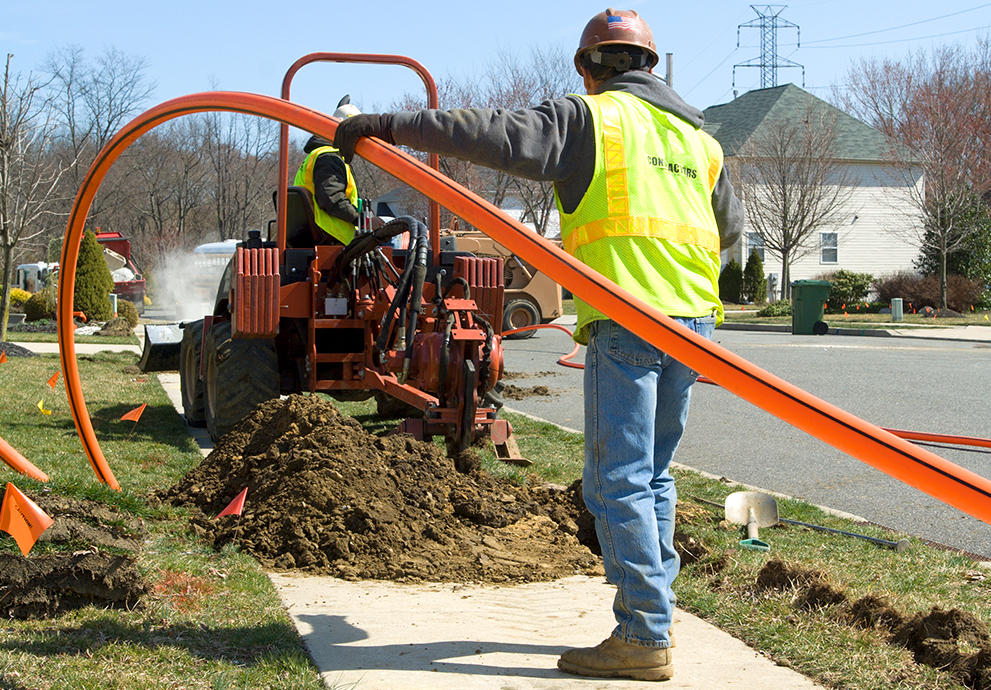
Utilities use trenchless technology, often called horizontal directional drilling or directional boring, to pull cables, conduit and pipe underground. This installation method limits the above ground disruption to streets, sidewalks and landscaping.
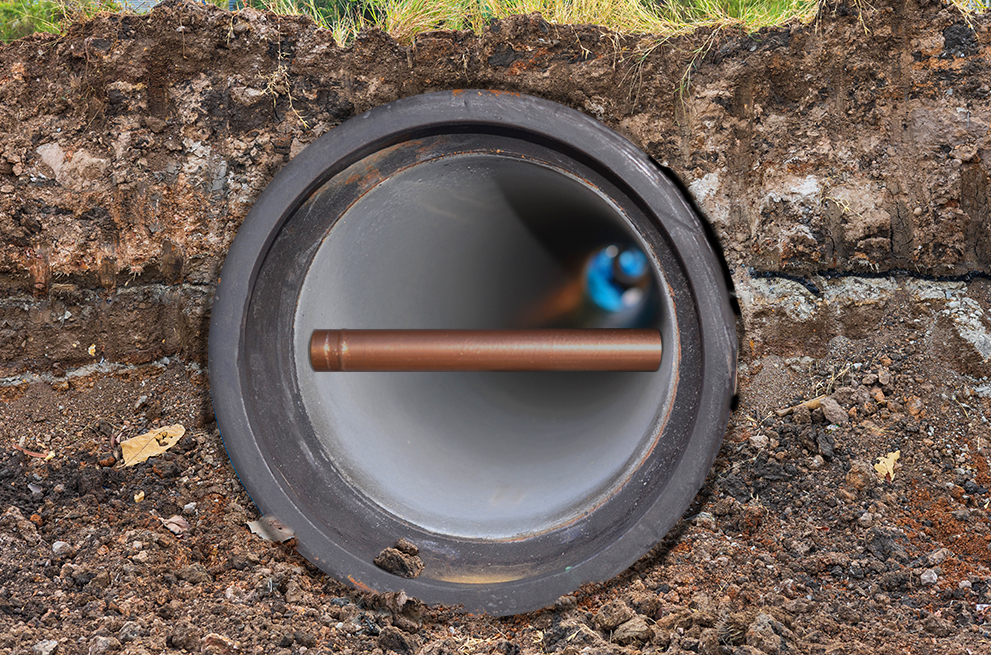
There are instances when an underground sewer line is not properly identified prior to boring activities and a natural gas pipe can be inadvertently pulled through a sewer line creating a cross bore. Cross bores can go unnoticed for months or even years. They are typically discovered when it becomes necessary to clear a sewer line blockage.
If a natural gas pipe has been bored through the sewer line, the gas pipeline could be damaged, resulting in a loss of service and a potentially hazardous leak condition. If you are aware of the existence of a cross bore, call Atlanta Gas Light at 877.427.4321 and report it as a natural gas emergency.